Skip to content

Buffet Catering on a Budget: How to Get the Best Value

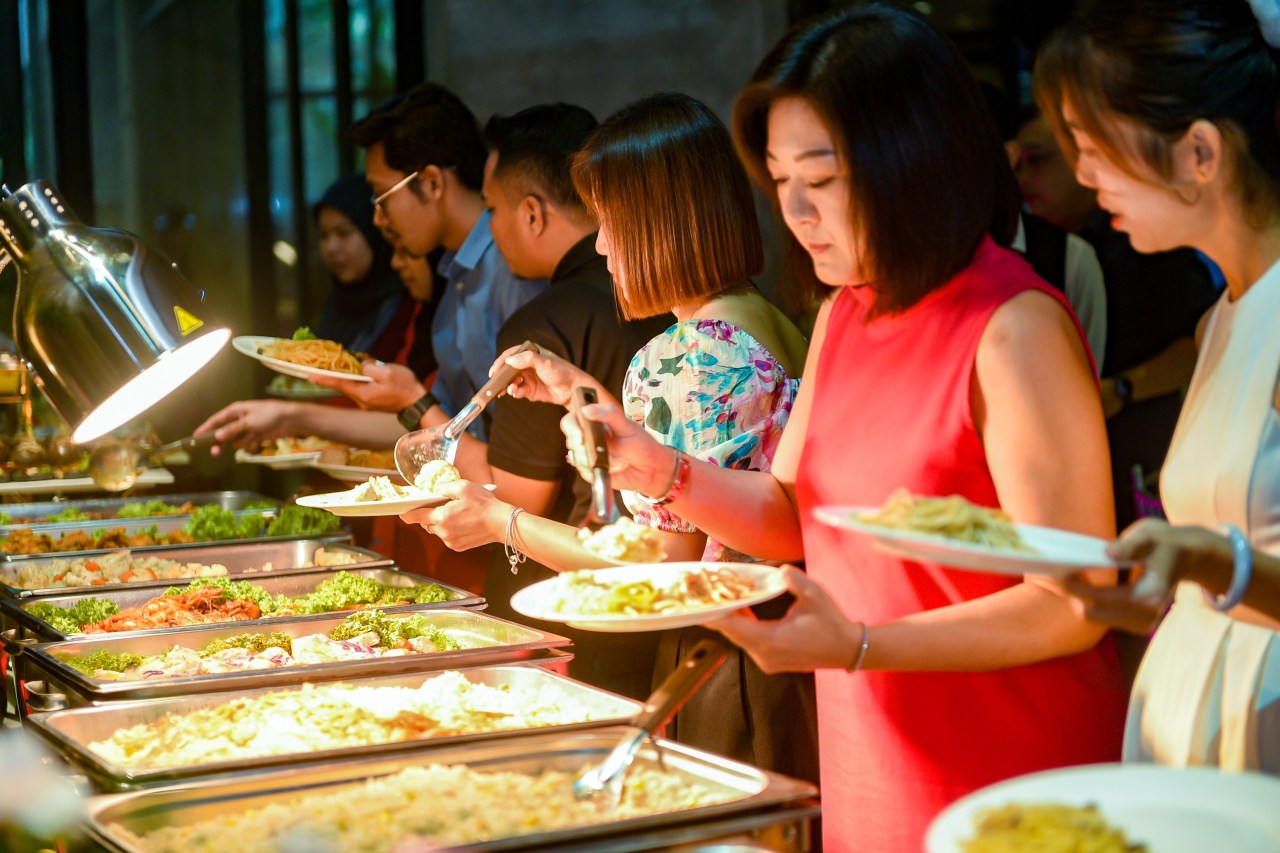
Organizing an event on a budget can be challenging. However, with strategic planning, you can still provide a fantastic buffet experience. Here’s how to get the best value while staying within your budget.

1: Prioritize Your Menu

First, prioritize your menu. Focus on high-impact, lower-cost items. For example, pasta dishes and salads are both affordable and filling. They can be dressed up with a variety of ingredients. Consequently, they provide a satisfying meal without breaking the bank. Additionally, consider seasonal ingredients. They are often cheaper and fresher. By choosing ingredients that are in season, you not only save money but also offer guests dishes that taste better and are more nutritious.

Moreover, seasonal ingredients can be used creatively to offer unique and memorable dishes. For instance, a summer event could feature a vibrant pasta salad with fresh tomatoes, basil, and mozzarella, while a winter gathering might include a hearty roasted vegetable pasta. This approach allows you to create delicious, cost-effective meals that cater to a wide range of tastes and preferences.

2: Strategic Food Selection

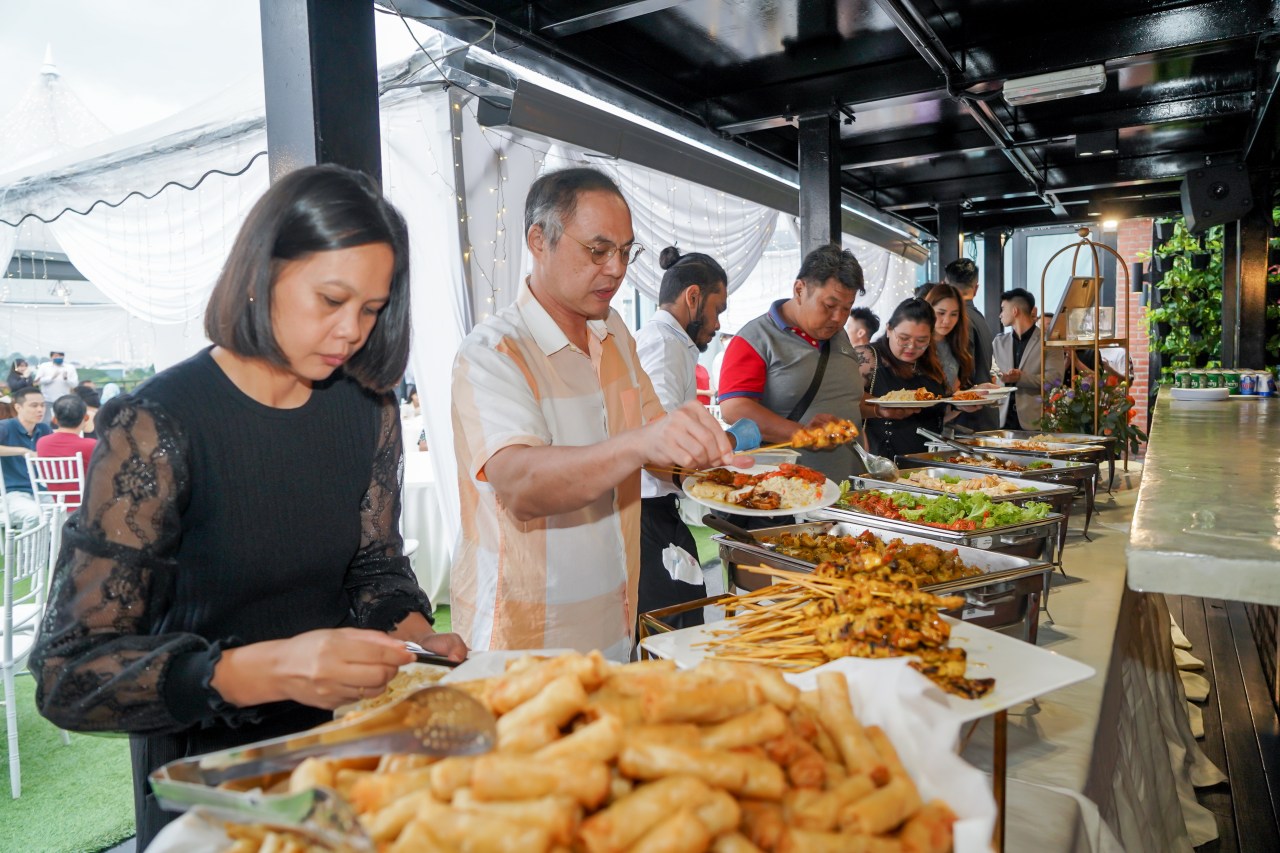
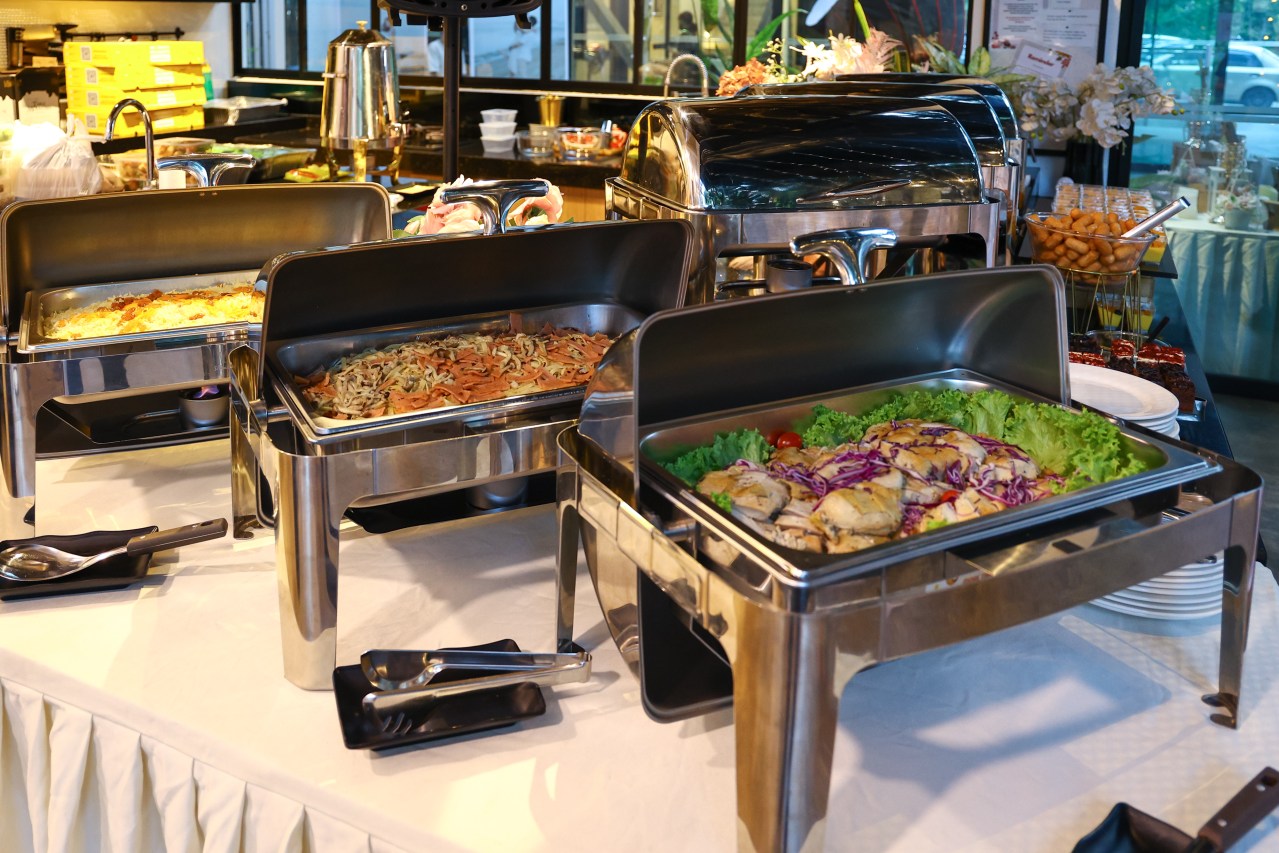
Next, be strategic with your food selection. Offer a few high-quality, crowd-pleasing dishes. Avoid an extensive menu with too many options. This not only reduces costs but also minimizes food waste. For instance, choose a popular meat dish, a vegetarian option, and a few side dishes. This way, you cater to diverse tastes without overspending. A limited but well-curated menu ensures that each dish is prepared with care and attention to detail, enhancing the overall dining experience. Additionally, focusing on a few key dishes allows you to manage portion sizes more effectively and ensures that each guest gets a satisfying meal. For example, a well-prepared chicken dish, complemented by a rich vegetable curry and a variety of side salads, can create a balanced and enjoyable meal for all attendees.

3: Bulk Buying Benefits

Moreover, buying in bulk can save money. Purchase ingredients from wholesale suppliers. This reduces the cost per unit significantly. Additionally, plan your menu around items you can buy in bulk. For instance, grains and vegetables often come at lower prices in larger quantities. This strategy ensures you stay within budget while providing ample food. Bulk purchasing is especially advantageous when hosting large events, as it allows you to negotiate better prices and secure discounts.

Furthermore, storing non-perishable bulk items for future use can provide long-term savings. By working with your caterer to identify key ingredients that can be bought in bulk, you can maximize your budget and ensure a plentiful supply of food without compromising on quality or variety.

4: Simplify Presentation

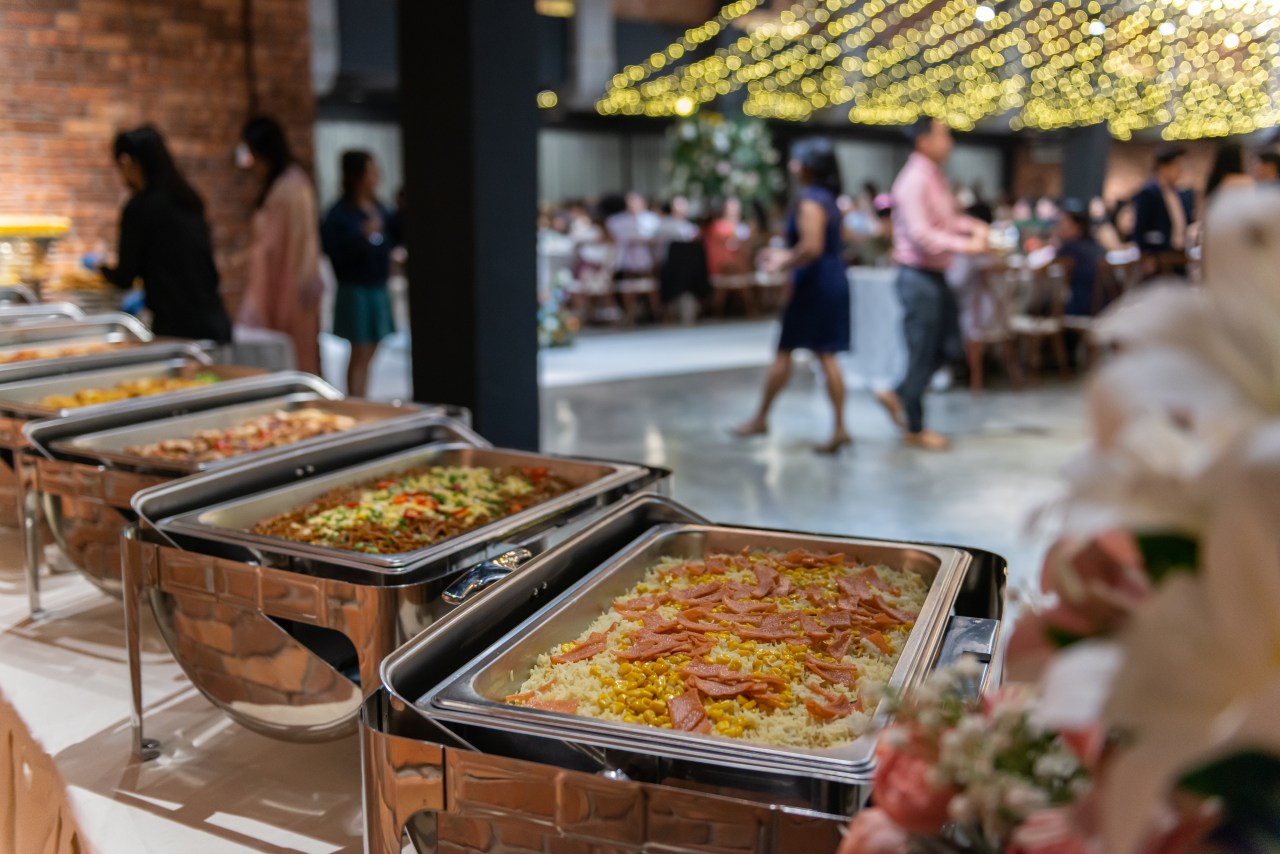
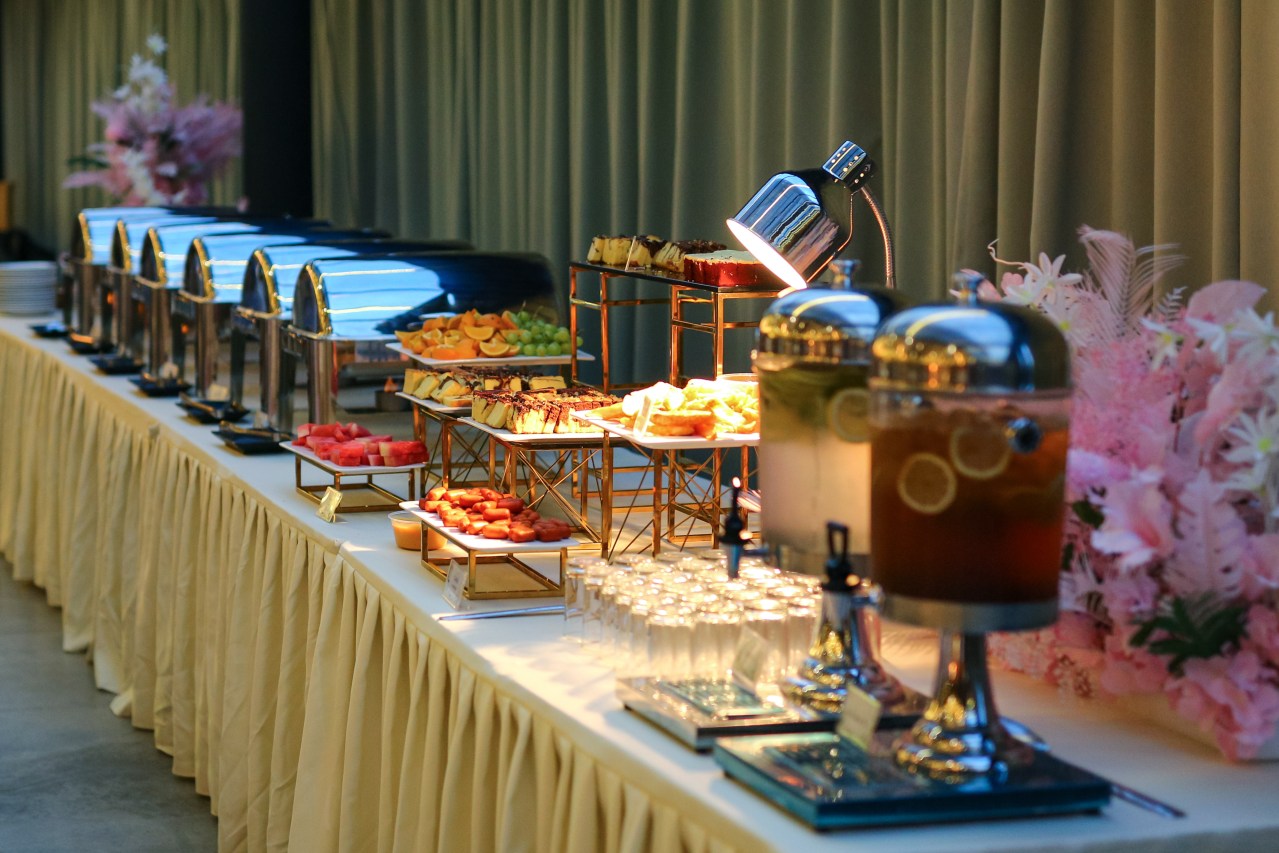
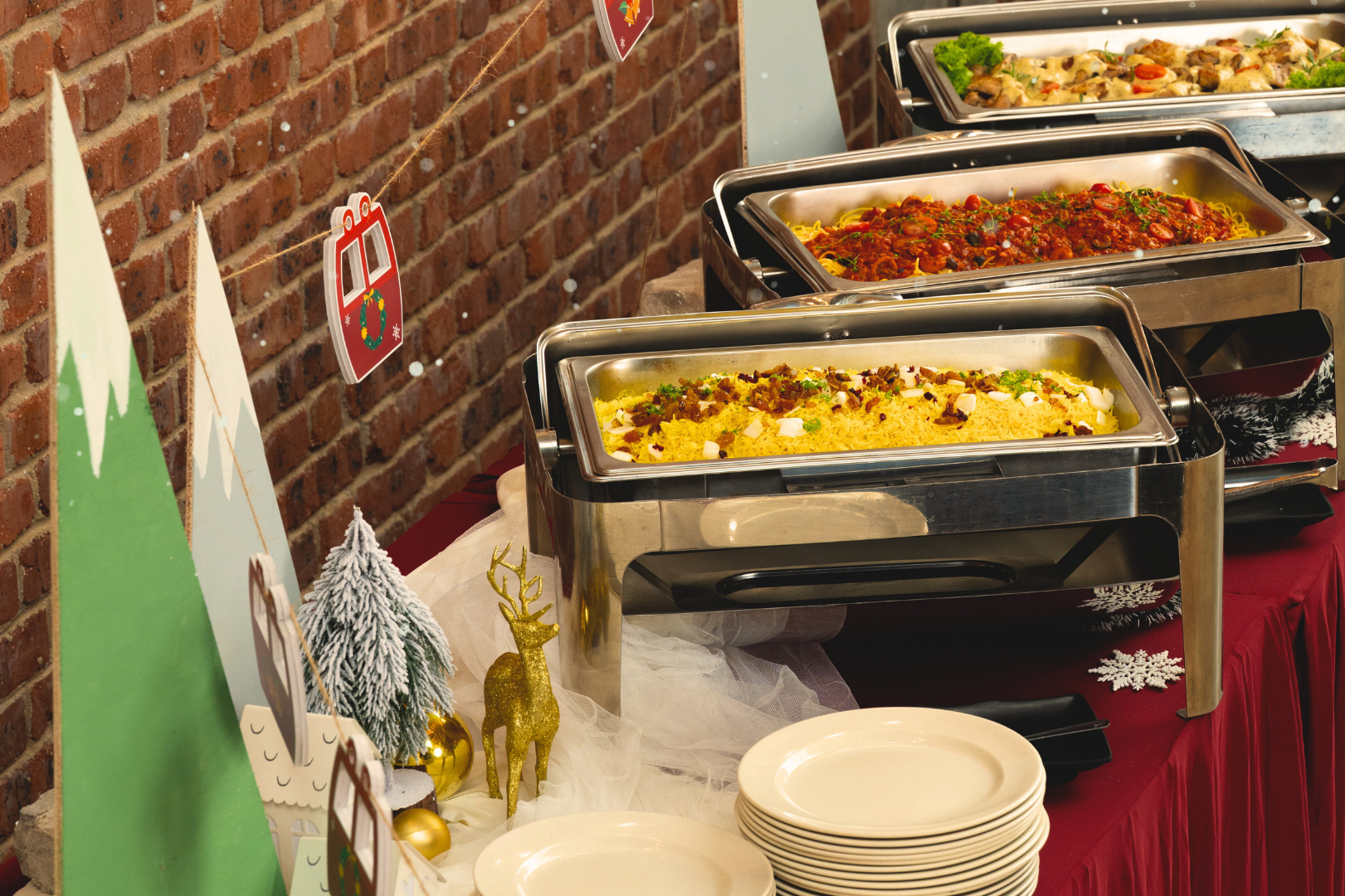
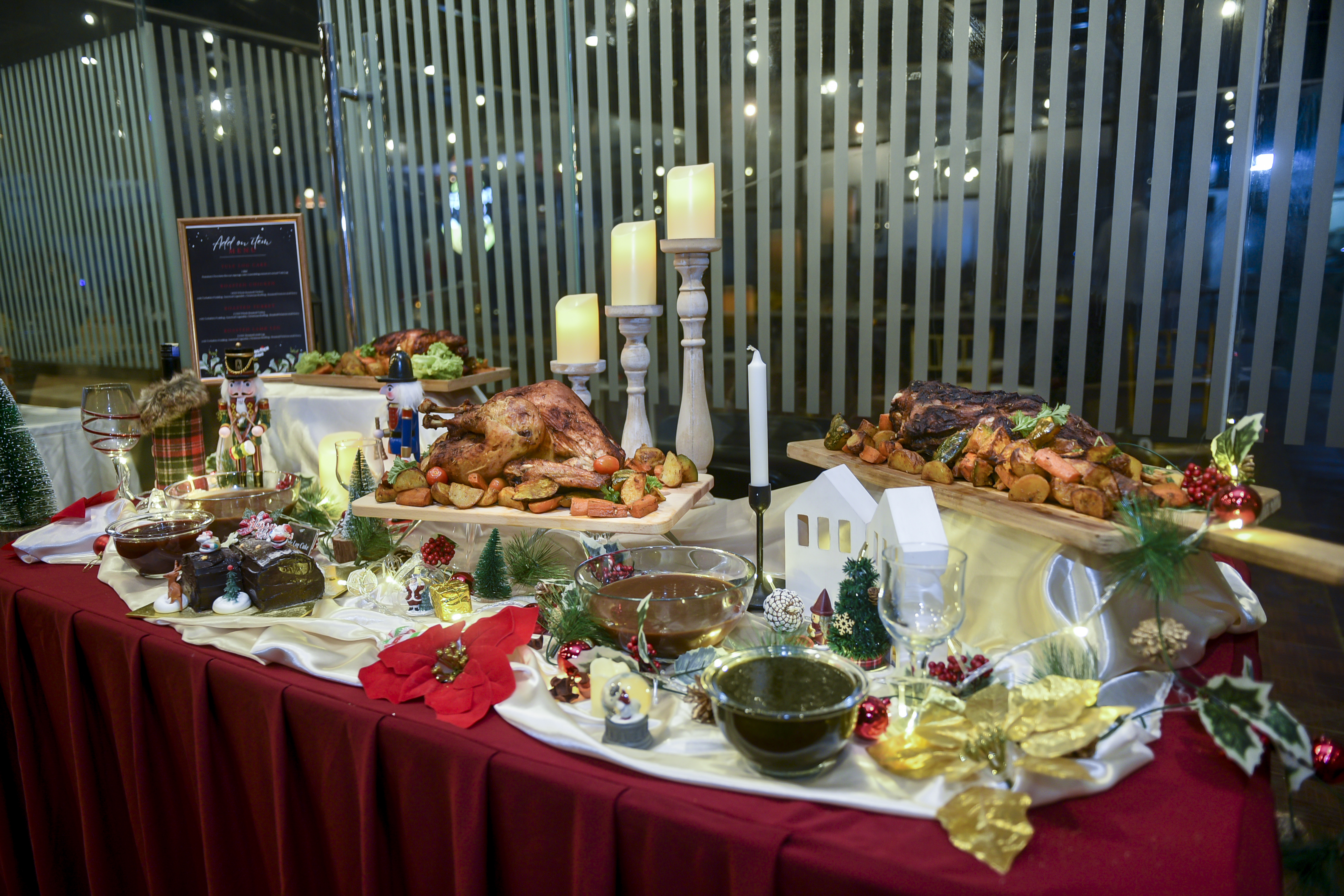
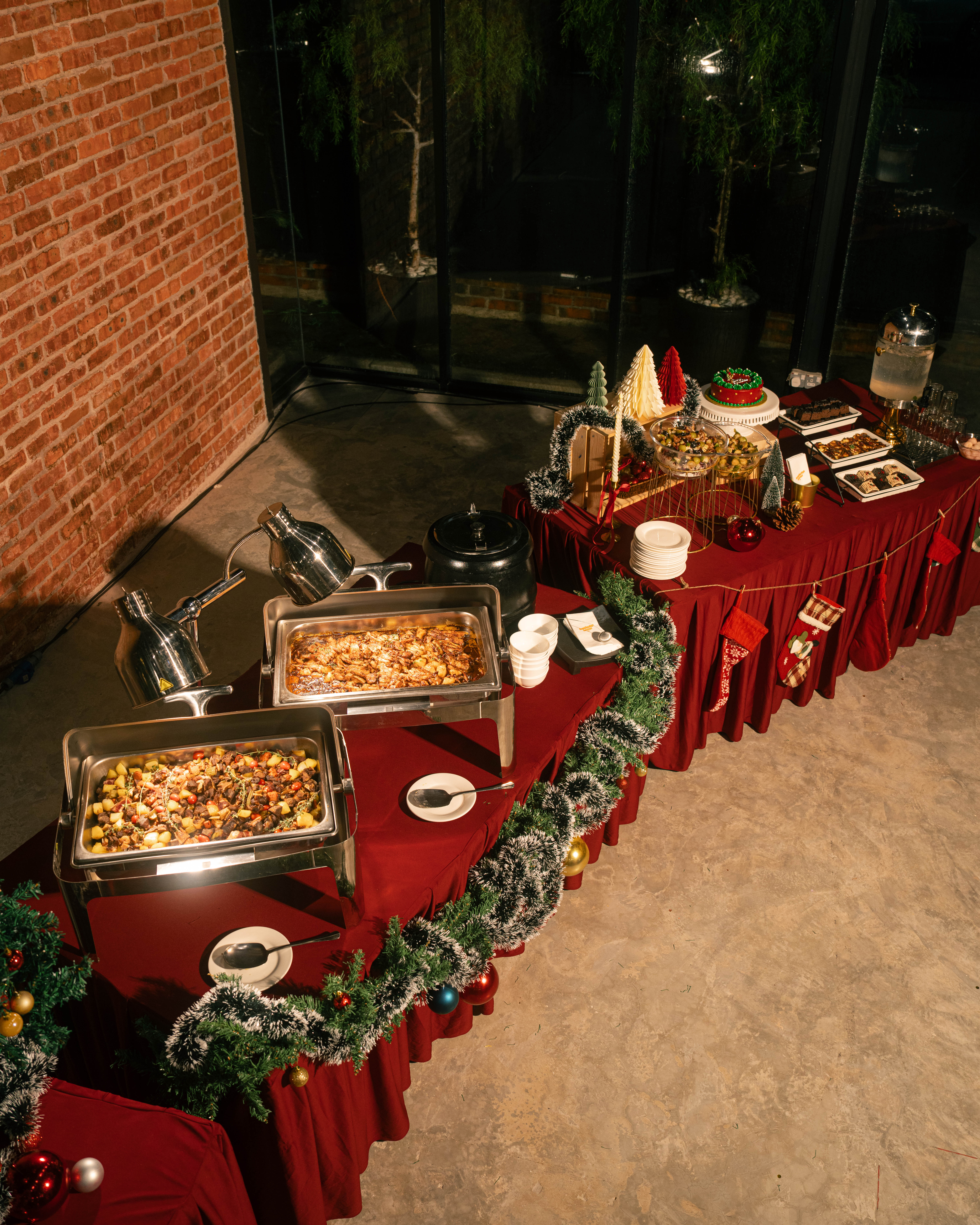
Another way to cut costs is by simplifying the presentation. Focus on clean, elegant displays rather than extravagant setups. Use simple serving ware and decorations. For instance, white plates and plain linens can look classy without being expensive. Additionally, DIY decorations can add a personal touch while saving money.

Simple touches like fresh flowers or candles can enhance the ambiance without adding significant costs. By focusing on a minimalist yet stylish presentation, you can create an inviting atmosphere that allows the food to take center stage. Moreover, a clean and elegant setup is often easier to manage and maintain, reducing the need for extensive staff and resources.

5: Negotiate with Caterers

Additionally, don’t hesitate to negotiate with caterers. Many are willing to offer discounts, especially for large orders. Discuss your budget constraints openly. Often, caterers can suggest cost-saving options. For example, they might recommend cheaper alternatives to certain ingredients. This collaboration can help you achieve the best value. Building a good relationship with your caterer is crucial. Open communication allows them to understand your needs and constraints better, enabling them to provide solutions that fit your budget without compromising on quality. By being flexible and open to suggestions, you can work together to create a memorable event that meets your financial goals.

6: Limit Expensive Add-ons

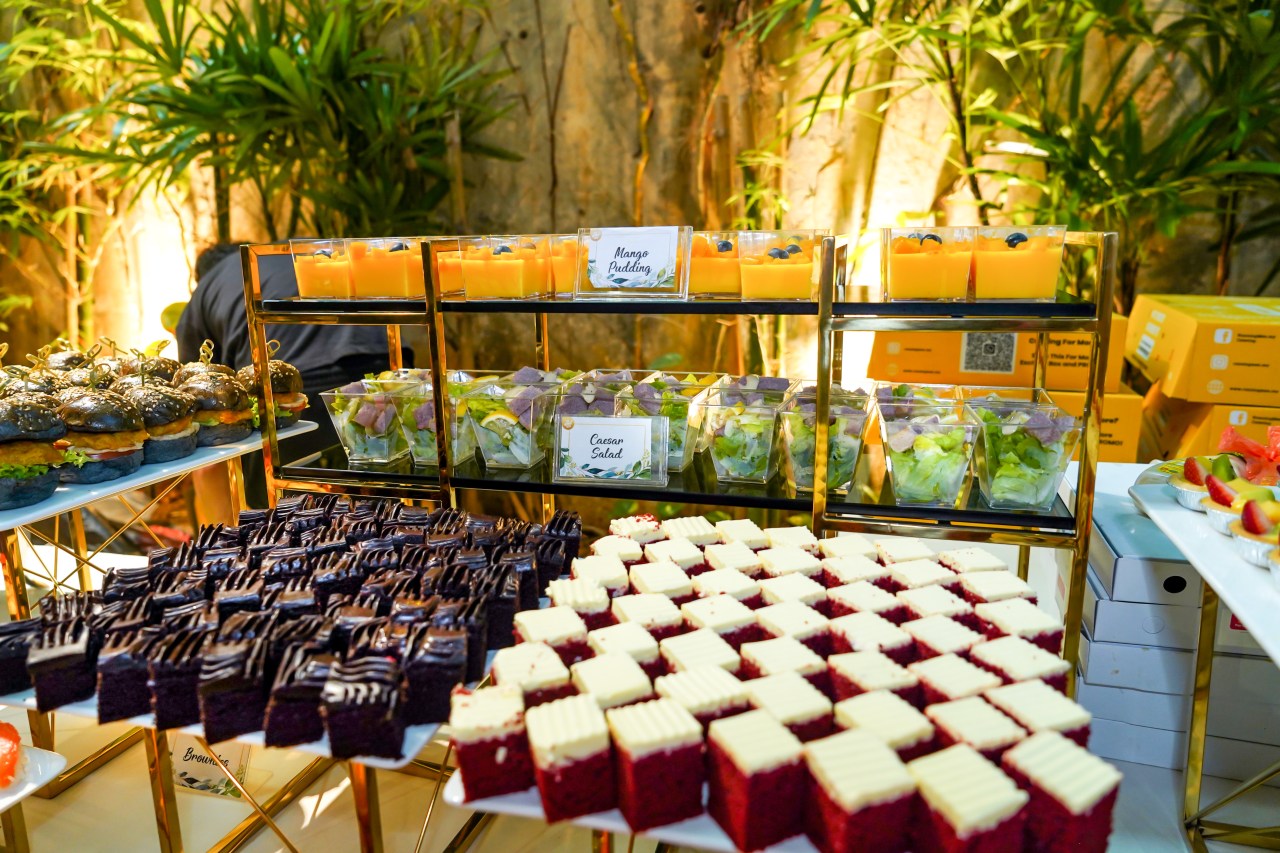
Furthermore, limit expensive add-ons. Extras like specialty drinks, elaborate desserts, and premium appetizers can quickly inflate your budget. Instead, focus on the essentials. Provide water, tea, and coffee as primary beverages. Opt for simpler desserts like cookies or brownies. This keeps your catering affordable while still being enjoyable.

Simple, well-executed dishes can be just as satisfying as more elaborate options. By prioritizing quality over quantity, you ensure that each element of your menu is delicious and well-received. Additionally, by focusing on core offerings, you streamline the planning process and reduce the complexity of your event.

7: DIY Elements

In addition, consider incorporating DIY elements. Preparing some items yourself can reduce costs. For example, you could make your own salads or desserts. This approach requires more effort but can significantly lower expenses. Plus, it adds a personal touch to your event. Guests often appreciate the effort that goes into homemade dishes, and DIY elements can create a more intimate and engaging atmosphere. By involving friends or family in the preparation process, you can also turn the event planning into a fun and collaborative experience. This not only saves money but also builds a sense of community and involvement.

8: Plan Portions Carefully

Moreover, careful portion planning is crucial. Estimate the right amount of food based on your guest count. Overestimating can lead to unnecessary costs and waste. Use catering calculators available online to help with this. They can provide accurate estimates based on the type of event and number of guests. Effective portion control ensures that each guest is satisfied without excess leftovers. Additionally, communicating with your caterer about portion sizes can help align expectations and prevent overordering. By accurately predicting food needs, you optimize your budget and ensure a smooth dining experience.

9: Reuse and Recycle

Furthermore, reuse and recycle wherever possible. Use reusable serving ware and utensils. This not only saves money but also reduces waste. Additionally, recycle decorations and other event items. For instance, reusable tablecloths and centerpieces can be used for future events. Sustainability is increasingly important to many guests, and incorporating eco-friendly practices can enhance the appeal of your event. By prioritizing reusable and recyclable materials, you contribute to environmental conservation and demonstrate a commitment to responsible event planning. This approach not only benefits your budget but also aligns with broader sustainability goals.

In conclusion, buffet catering on a budget requires careful planning and smart choices. By prioritizing your menu, buying in bulk, simplifying presentation, and negotiating with caterers, you can get the best value. Additionally, limiting expensive add-ons, incorporating DIY elements, planning portions carefully, and reusing items can further reduce costs. With these strategies, you can host a memorable event without overspending. For more information on affordable catering options, click here to learn more about Runningmen Catering.

Share:

Facebook
Twitter
Pinterest
LinkedIn

Leave a Reply

On Key

Related Posts

Discover more from RunningMen Catering

Subscribe now to keep reading and get access to the full archive.

Continue reading